
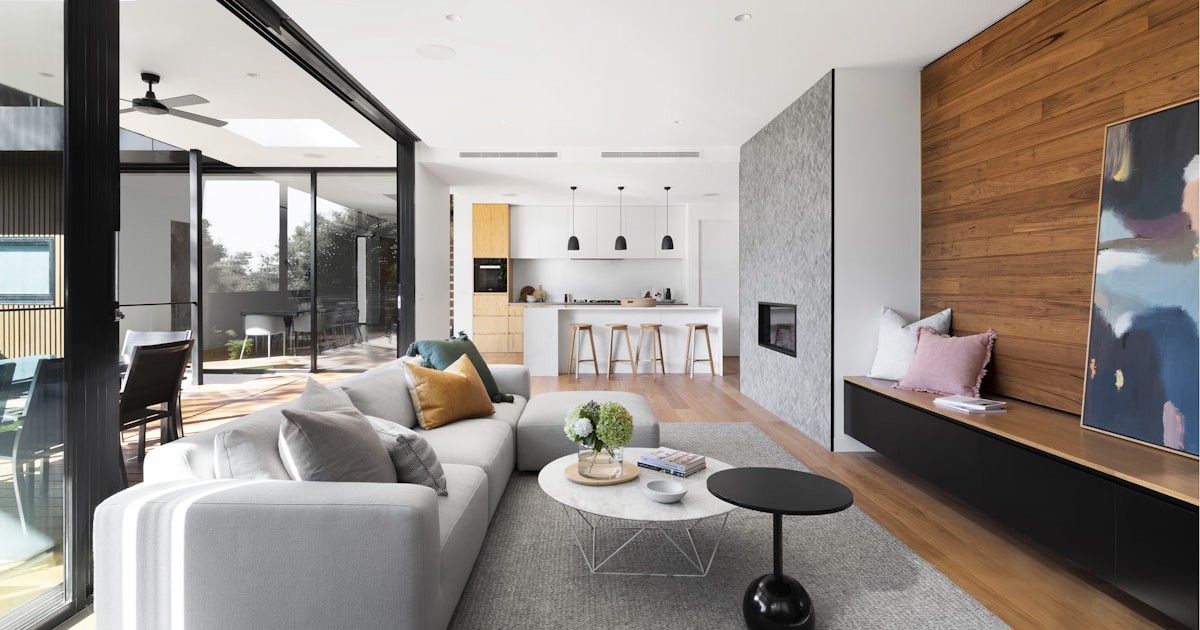
Herringbone tile patterns create stunning visual impact with their distinctive V-shaped weaving design. But behind that beauty lies mathematical complexity that can trip up even experienced installers. Getting the math right from the start makes the difference between a smooth installation and a frustrating job plagued by miscalculations and material shortages.
Understanding Herringbone Geometry
A herringbone pattern is created by laying rectangular tiles at 90-degree angles to each other in a staggered, interlocking design. Unlike standard brick or running bond patterns where tiles align horizontally and vertically, herringbone tiles run at 45-degree angles to the walls.
This diagonal orientation is what makes herringbone visually striking, but it also means you'll have cuts along every wall. Every single edge of your installation area will require angled cuts, significantly increasing both the complexity and the waste factor compared to standard patterns.
The standard herringbone uses rectangular tiles, with the most common ratio being 1:2 or 1:3 (width to length). For example, 3x6 inch, 4x12 inch, or 6x24 inch tiles work beautifully for this pattern. The longer the tile, the more dramatic the pattern appears.
Calculating Tile Quantities for Herringbone
The biggest mistake installers make is underestimating how many tiles they need for a herringbone installation. While a standard straight-lay pattern might require 10% overage, herringbone typically needs 15-20% extra to account for the cuts along all four walls. Learn more about what a waste factor is and why it matters.
Start with your square footage and divide by the square footage of a single tile to get your base number. For example, a 100 square foot room using 4x12 inch tiles (0.33 square feet per tile) requires 303 tiles for perfect coverage with no waste. For more details on this process, see our guide on how to calculate how many tiles you need.
Now apply your waste factor. For herringbone, multiply by 1.20 (20% overage) to get 364 tiles. This might seem excessive, but remember that every wall edge requires angled cuts, and many of those cuts result in pieces too small to use elsewhere.
Using a calculator like TilePlan takes the guesswork out of these calculations, automatically applying appropriate waste factors based on your selected pattern and room dimensions.
Planning Your Layout Lines
Proper layout is critical for herringbone success. Unlike simpler patterns where you can sometimes start in a corner and work your way out, herringbone requires careful planning to ensure the pattern stays square and balanced throughout the installation.
Start by finding the center point of your room. Snap chalk lines from the midpoint of opposite walls to create a cross that marks your room's center. These lines are your reference, but they're not where you'll start laying tiles.
For herringbone, you'll typically start by establishing a 45-degree line from your center point. Use a framing square or the 3-4-5 triangle method to ensure your diagonal line is exactly 45 degrees. This line represents the direction your first course of tiles will follow.
Many installers prefer to do a complete dry layout before setting anything in thinset. With herringbone, this extra step is particularly valuable because it lets you see how the pattern will meet the walls and adjust your starting point if needed to avoid tiny slivers at the edges.
Handling Edge Cuts
Edge cuts are where herringbone installation gets challenging. Along each wall, you'll be cutting triangular pieces to fill the diagonal pattern in against the straight wall edge.
The key is understanding that these aren't random triangular cuts. Each cut is exactly half of your tile along the diagonal. If you're using 4x12 inch tiles, your edge cuts will be right triangles with legs of 4 inches and 12 inches.
Set up a cutting station where you can efficiently make these repetitive cuts. A wet saw with a good fence system is essential. Many installers create a simple jig that holds the tile at exactly 45 degrees, making it easy to produce consistent cuts quickly.
Save time by cutting edge pieces in batches. Measure and mark one wall's worth of edge pieces, then cut them all at once rather than cutting as you go. This batch approach is faster and produces more consistent results.
Managing the Direction Flow
In a traditional herringbone, all the tiles point in the same direction, creating a clear directional flow. Decide at the planning stage which direction you want this flow to run. Typically, you want the pattern to draw the eye toward the most important feature of the room or along the longest dimension to emphasize the space.
Be consistent throughout the installation. It's surprisingly easy to accidentally reverse a tile and break the pattern. Take a moment before setting each tile to confirm it's oriented correctly. A disrupted pattern is immediately noticeable and can't be fixed without tearing out and replacing tiles.
Dealing with Obstacles
Obstacles like cabinets, islands, and door openings add complexity to herringbone layouts. The pattern should flow naturally around these features, which often requires careful planning to maintain the pattern's integrity.
Around a kitchen island, for example, you'll need to ensure the pattern lines up correctly on all sides. This might mean adjusting your starting point or using a different reference line for different sections of the room while ensuring they meet properly.
For doorways, consider whether to continue the pattern through the doorway or create a transition border. Continuing the pattern provides better visual flow but requires additional cutting and planning to keep the pattern consistent between rooms.
Grouting Considerations
Herringbone patterns create a lot of grout lines, and these lines follow the diagonal pattern. Plan for extra grout because you have more linear feet of grout lines than you would with a standard pattern covering the same square footage.
The increased number of grout lines also means more labor time for grouting and cleanup. Factor this into your job estimates, as herringbone can take 30-50% longer to grout than a simple straight-lay pattern.
Consider grout joint width carefully. Wider joints can make the pattern more forgiving if your cuts aren't perfectly precise, but they also create more visual complexity. Most herringbone installations look best with 1/8 inch to 3/16 inch grout lines.
Common Mistakes to Avoid
The most common mistake is failing to maintain consistent 45-degree angles throughout the installation. Small variations compound as you work outward, eventually resulting in tiles that don't fit properly or gaps that are too wide.
Another frequent error is not accounting for tile size variation. Even tiles from the same box can vary slightly in size. With herringbone, these variations can throw off your pattern more noticeably than with straight patterns. Sort tiles before installation and reserve the most consistent sizes for the most visible areas.
Finally, rushing the layout phase leads to problems. Take the time to snap accurate reference lines, do a dry layout, and plan your cuts. The extra hour spent on layout saves many hours of frustration during installation.
Frequently Asked Questions
What tile size works best for herringbone floors?
Tiles with a 1:2 or 1:3 width-to-length ratio work best. Popular choices are 3x6, 4x12, and 6x24 inches. Longer tiles create a more dramatic pattern, while shorter tiles produce a subtler, more traditional look.
Can I install herringbone tile as a DIY project?
It's possible but challenging. Herringbone requires precise 45-degree cuts along every wall edge and careful attention to maintaining consistent angles throughout. If you're an experienced DIYer comfortable with a wet saw, it's doable — but budget extra time and materials for the learning curve.
How much extra tile should I buy for a herringbone pattern?
Plan for at least 20% overage above your measured square footage. Every wall edge requires angled cuts, and most triangular offcuts can't be reused elsewhere. For irregular rooms or first-time installers, consider 25%.
Does herringbone tile make a room look bigger or smaller?
Herringbone creates visual movement and energy that can make a space feel more dynamic. The diagonal lines draw the eye across the room, which can create a sense of expanded space — similar to a diagonal layout but with more visual complexity.
Getting the math right on herringbone installations transforms a potentially difficult job into a manageable project that produces stunning results. Plan carefully, calculate accurately, and take your time with the layout to ensure success.
Plan Your Tile Layout with TilePlan
Calculate materials, visualize patterns, and get accurate cut lists for any room shape.
Download Free on the App Store