
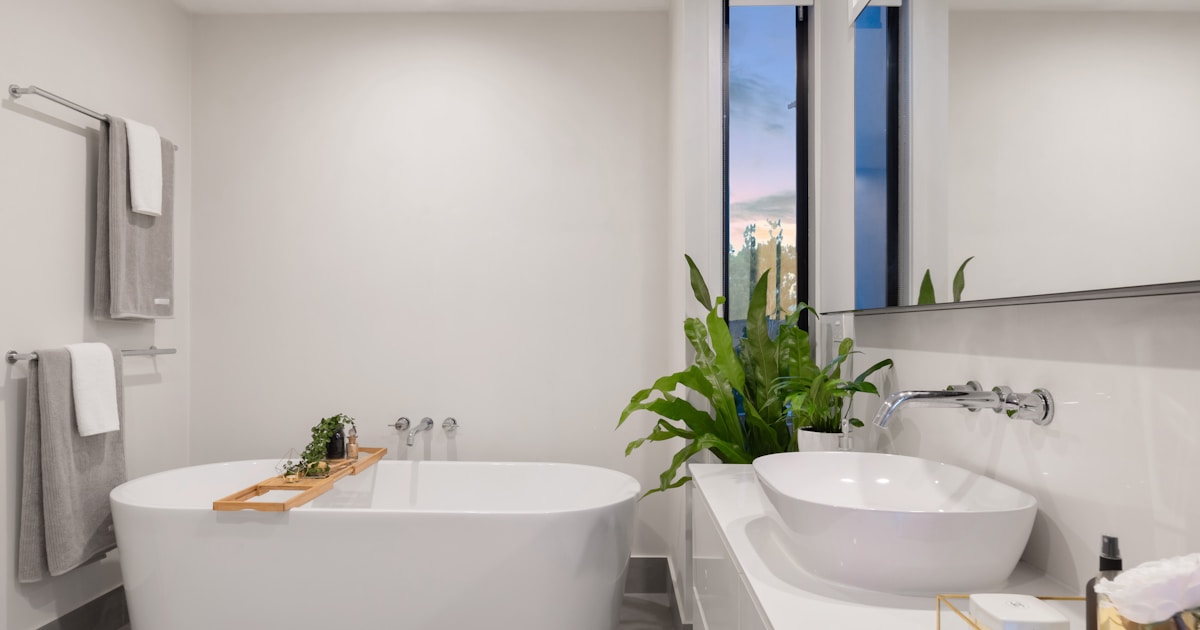
When designing a small bathroom, every decision counts. The tiles you choose and how you lay them can dramatically affect how spacious the room feels. Let's explore the strategies that professional designers use to make compact bathrooms feel larger and more luxurious.
The Large Tile Paradox
Conventional wisdom once suggested using small tiles in small spaces, but modern design has turned this notion on its head. Large-format tiles, typically 12x24 inches or larger, actually make small bathrooms appear more spacious. The reason is simple: fewer grout lines mean fewer visual interruptions, creating a cleaner, more expansive look.
When you use small tiles like 4x4 inch squares, the abundance of grout lines creates a busy grid pattern that emphasizes the room's boundaries. Large tiles, on the other hand, minimize these visual breaks and allow the eye to flow more freely across the surface. Some designers are now using tiles as large as 24x48 inches in compact powder rooms with stunning results.
That said, extremely large tiles in very small spaces can create practical challenges. If your bathroom is smaller than 40 square feet, consider 12x24 inch tiles as a sweet spot that provides the spacious look without excessive cutting and waste.
Strategic Pattern Choices
The pattern you choose can be just as important as the tile size. Here are the most effective layouts for small bathrooms:
Horizontal Brick Pattern
Laying rectangular tiles horizontally in a brick or subway pattern creates width. This is particularly effective on walls, as it draws the eye across the space rather than up and down. A 12x24 inch tile laid horizontally at a one-third offset creates beautiful horizontal lines that make the bathroom feel wider.
Vertical Installation
Conversely, if your bathroom has a low ceiling, installing rectangular tiles vertically draws the eye upward and makes the ceiling feel higher. This technique works especially well in narrow bathrooms where width isn't the primary concern.
Herringbone for Drama
While herringbone patterns require more cutting and waste, they add sophisticated movement that distracts from a room's small size. The diagonal lines create visual interest that makes people focus on the beautiful pattern rather than the compact dimensions. This works best with tiles in the 3x12 to 4x16 inch range.
Large Format Straight Lay
For the most expansive feel, large format tiles installed in a simple grid pattern with minimal grout lines can't be beaten. This creates a sleek, modern aesthetic that maximizes the sense of space. Compare different approaches in our diagonal vs. straight tile layout guide.
Color and Finish Considerations
Tile size and pattern work hand-in-hand with color and finish choices. Light colors naturally make spaces feel larger by reflecting more light. White, cream, pale gray, and soft beige are perennial favorites for compact bathrooms.
Glossy finishes amplify this effect by bouncing light around the room, though they can show water spots more readily. Matte finishes offer a more contemporary look and hide water marks better, though they reflect less light.
Consider extending the same tile from floor to wall to eliminate visual breaks. This floor-to-ceiling approach creates a cohesive envelope that makes boundaries less defined, helping the room feel more open.
Practical Installation Considerations
Before finalizing your choice, consider the practical aspects of installation. Large tiles require a very flat substrate, as any unevenness becomes more noticeable. If your bathroom floor isn't perfectly level, you may need additional prep work.
The cutting required for large tiles around fixtures, corners, and edges also generates more waste. When calculating quantities, add at least 15-20% for waste when using large format tiles in a small bathroom with lots of cuts. Tools like TilePlan can help you accurately estimate how many tiles you'll need based on your specific room dimensions and chosen tile size. For classic options, consider subway tile in various patterns.
The Grout Line Factor
Grout spacing affects both the visual impact and the practical installation. Rectified tiles with precise edges can be installed with grout lines as narrow as 1/16 inch, creating an almost seamless look. Non-rectified tiles typically require 1/8 to 1/4 inch spacing.
In small bathrooms, narrower grout lines contribute to the expansive feel. However, don't go so narrow that you create installation difficulties. Your tile setter's experience and the tile's edge quality should guide this decision.
Light gray or beige grout that closely matches the tile color minimizes the visual impact of grout lines. High-contrast grout makes the grid pattern more prominent, which can work beautifully in larger spaces but may feel busy in compact bathrooms.
Bringing It All Together
The most successful small bathroom tile designs follow these principles: choose tiles that are proportionally large for the space, use patterns that enhance the dimension you want to emphasize, select light colors with appropriate finishes, and minimize visual breaks with thoughtful grout choices.
Remember that design rules are meant to be broken thoughtfully. If you love small mosaic tiles or dark dramatic colors, find ways to incorporate them as accents while using space-enhancing tiles for the main surfaces. A mosaic tile feature wall or niche can add personality without overwhelming the space.
Frequently Asked Questions
What's the best tile size for a 5x8 foot bathroom?
A 12x24 inch tile is the sweet spot for a standard 5x8 bathroom. It's large enough to minimize grout lines and create an expansive feel, but not so large that you get excessive waste from cuts around the toilet, vanity, and tub.
Should I use the same tile on the floor and walls of a small bathroom?
Using the same tile (or at least the same color family) from floor to wall creates a seamless envelope that makes the space feel larger. This is one of the most effective tricks designers use in compact bathrooms.
Does grout color really matter in a small bathroom?
Yes — it has an outsized impact in small spaces. Matching grout to tile color creates a seamless, expansive look. Contrasting grout emphasizes the grid pattern and can make a small room feel busier. For maximum spaciousness, match your grout closely to your tile.
Are matte or glossy tiles better for a small bathroom?
Glossy tiles reflect more light, which can make the space feel brighter and larger. Matte tiles hide water spots and fingerprints better. For floors, matte or textured finishes are safer (better slip resistance); for walls, glossy tiles maximize light reflection.
Your small bathroom doesn't have to feel cramped. With strategic tile selection and layout, you can create a space that feels open, sophisticated, and entirely your own.
Plan Your Tile Layout with TilePlan
Calculate materials, visualize patterns, and get accurate cut lists for any room shape.
Download Free on the App Store